
Teaching approach
Who the course suits, what you bring with you and how hands-on practice is organised from start to finish.
A course for crews who need dependable audio
redstarwave is for people who film or stream interviews, panels and small events and are tired of discovering audio problems in the edit. It was founded in Providence in 2016 and is taught by working location sound engineers who record in the same rooms you do.
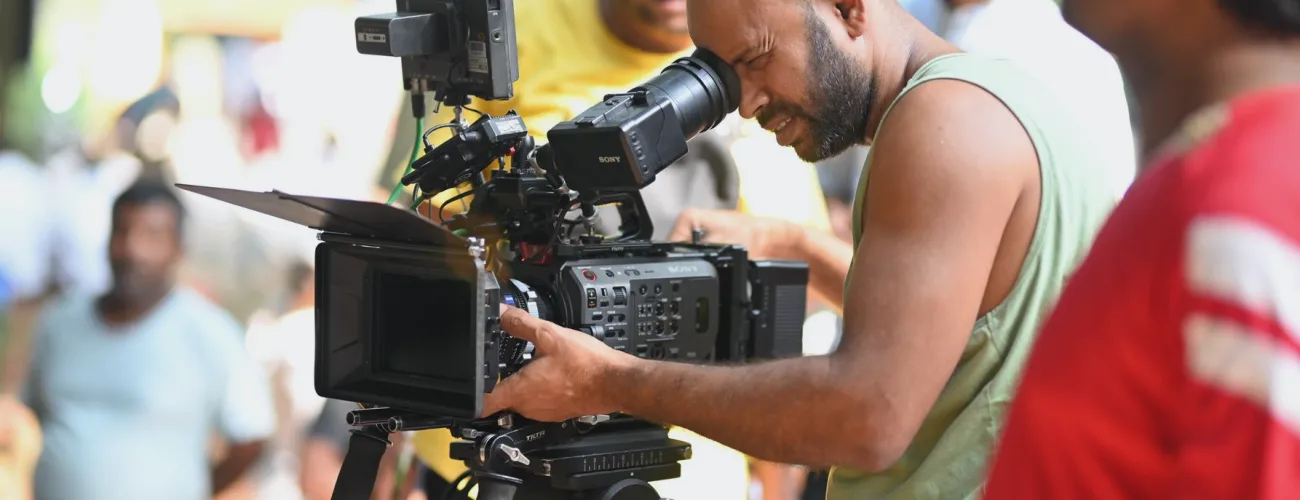
Camera operators are a large part of our learners. Many handle sound as a second job and never had formal training in it. They know what a good picture needs but are less sure how to choose a microphone, set a level or spot a fault by ear. The course fills that gap with clear, repeatable methods.
Producers also join, often because they plan shoots and want to ask the right questions of a venue or a crew. You do not need to become a sound engineer. Understanding what a sound check involves, why backup recording matters and how remote guests are connected helps you schedule time and budget sensibly.
Streaming teams make up the third group. They face live deadlines, remote speakers and little chance of a second take. Modules on monitoring, remote guest audio and backup recording speak directly to that pressure, with exercises that practise recovering when a signal drops or a guest cannot be heard.
No prior audio qualification is required. You should be comfortable handling cameras or streaming software and willing to learn by doing. If you already record sound, the course helps you tighten your routine, share a common method with your crew and fill in areas such as remote audio or room noise.
What we ask in return is attention and a willingness to listen. Much of the learning happens in headphones, repeating a recording until it improves. Learners who approach it patiently, and who bring real examples from their own work, tend to get the most out of each session.
Bring your questions, your kit and some curiosity
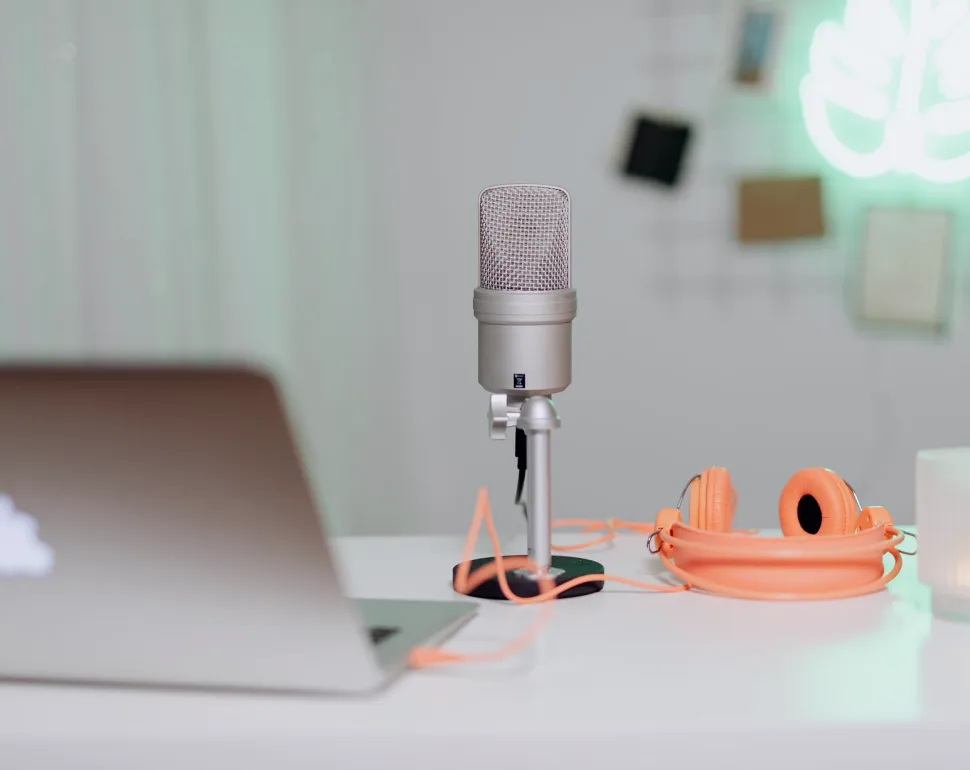
The course works best when it connects to your own work. Bring a laptop, headphones and any microphone or recorder you own, plus notes about recent shoots where the audio caused trouble. Our instructors in Providence will use those examples to shape exercises. Nothing needs to be bought in advance, and shared equipment is available for practice. If you are unsure whether your kit is suitable, ask through the contact page and we will answer plainly.
Teaching approachFrom first listen to a repeatable routine
Practice follows the same pattern in every module. You try a task, listen back, adjust and try again, so each skill becomes a habit you can use at a real venue.
-
Learn the idea
An instructor explains the concept in plain terms and demonstrates it on real equipment. You see the setting or placement before you try it yourself, with the reason behind each choice.
-
Try the task
You carry out a short exercise in pairs, such as placing a lavalier or setting gain on a mixer. One person records while the other speaks, then you swap roles.
-
Listen back
You play the recording through headphones and note what you hear: clipping, rustle, echo or hum. The instructor helps you name the problem and find its likely cause.
-
Adjust and repeat
You change one thing at a time and record again. Comparing the two versions shows which change helped, and it builds the habit of testing before trusting a setting.
-
Build your checklist
At the end of each module you add what you learned to a personal checklist. By the final module it is a one-page routine you can carry to any interview, panel or event.
Send us a message
- By phone
- (401) 414-3201
- Write to us
- [email protected]