redstarwave

Curriculum

Six modules in teaching order, each with a practice activity and a realistic outcome for working crews.

The modules

What you study, module by module

Modules run in a fixed order because each one relies on the last. You should be comfortable with basic camera or streaming work. Every module ends with a hands-on activity and a skill you can use on your next shoot.

01Microphone Selection and Placement

You compare lavalier, shotgun and handheld microphones, then place each on a volunteer speaker. The activity records the same sentence several ways. You leave able to choose a microphone and position it for clean speech.

02Mixer Setup and Monitoring

You connect microphones to a field mixer, set gain, route channels and set up headphone monitoring. The activity has you recover from a sudden loud speaker. You leave able to keep levels safe and steady.

03Sound Checks for Interviews and Panels

You write and run a sound check for a two-person interview and a small panel. You capture room tone and note issues. You leave with a short routine you can repeat at any venue.

04Remote Guest Audio

You connect a remote guest to a recording, listen for dropouts and set up a return feed. The activity uses a laptop and headset. You leave able to bring a remote speaker in with usable audio.

05Backup Recording Plans

You design a second recording path using a separate recorder or a split feed, and test it by deliberately interrupting the main one. You leave with a plan for protecting a session.

06Reducing Avoidable Room Noise

You walk a room, listen for echo, hum and background noise, and test small fixes such as moving a mic or switching off a fan. You leave able to reduce noise before recording.

Practice

How each module is practised and checked

Practice is the centre of the course. Each activity has a clear task, a way to listen back and a short review with an instructor, so you always know what to change next time.

What to bring

Bring a laptop, a pair of closed-back headphones and any microphone or recorder you already own. You do not need to buy equipment before starting. Where kit is shared, instructors show how the same method works on different models. Wear clothes you can clip a lavalier to, and be ready to act as both recordist and speaker during the exercises.

How activities run

Each activity sets a task, such as recording a panel of three with one microphone failing. You work in pairs, swap roles and listen back together. The instructor comments on placement, levels and how you handled the problem. Repeating the task with a change shows you what actually improved the sound.

Realistic outcomes

By the end you should be able to plan and run the audio for an interview, panel or small event with a calm routine. You will choose microphones sensibly, set levels, check speakers and protect the recording. This is a skills course and does not promise jobs or a formal qualification.

Before you start

Preparing for the first module and for each shoot

A little preparation makes the course more useful and makes your real shoots calmer. The same habits we ask of learners are the ones that protect recordings on location: know the room, know the speakers and know what you will do if something fails.

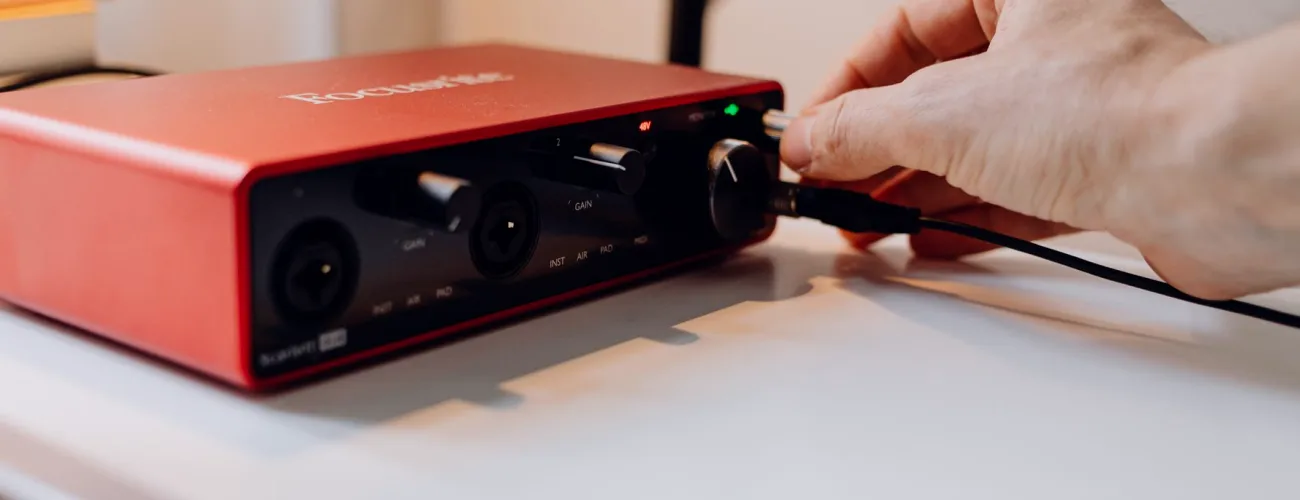
Checking a mixer and cables on a table before a recording
redstarwaveFounded 2016Based in Providence

Before the course, think about the kind of work you do most. Interviews in offices, panel talks in halls and small streamed events each bring different sound problems. Write down two or three recent jobs and what went wrong with the audio. Those notes give you real material to bring to the exercises, and instructors can use them to shape examples.

Check your own kit and know what it does. Find out which microphones you have, how your recorder or mixer is powered and what cables you carry. Many problems come from a flat battery, a missing adapter or an unlabelled cable. Spending an evening testing and labelling your kit pays off in the first module.

Practise listening. Put on headphones in a normal room and notice the fridge, the traffic, the air conditioning and the echo. Most people stop hearing these sounds, and the microphone does not. Training your ear to notice them is one of the fastest improvements you can make before the course begins.

Ask the right questions ahead of any shoot. How many speakers will there be, and where will they sit? What is the recording format, and does a stream need a mix as well? Is the room carpeted or bare, and can doors and ventilation be controlled? The answers decide your microphones and plan.

Finish with a short checklist you can keep in your kit bag: power, spare batteries, spare cards, headphones, cables, a second recorder and a note of the venue contact. Over the course you will refine it, and by the final module it should fit one page and reflect how you work.

Send us a message